
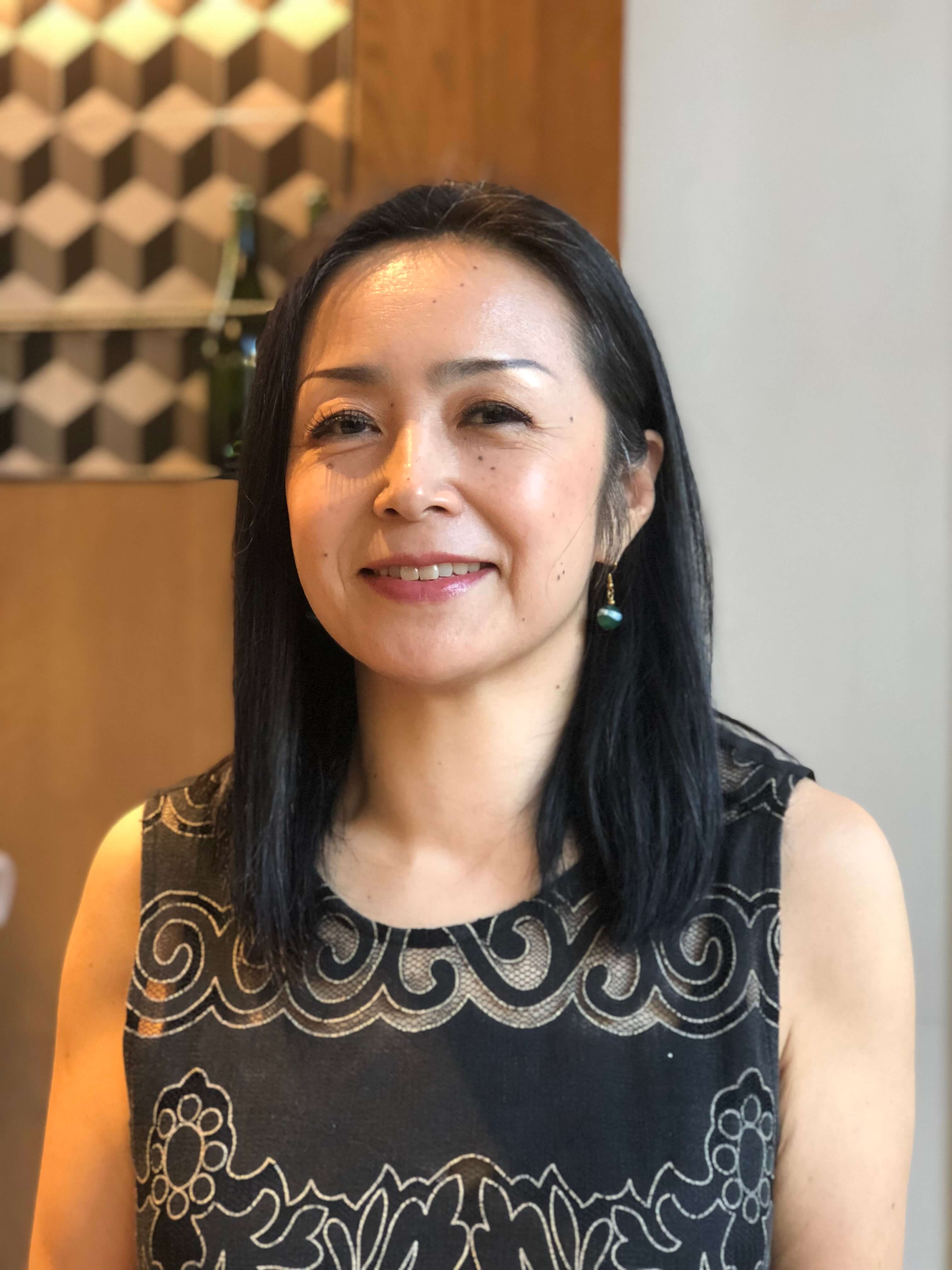
“Leadership that moves the world from Ego to Eco.”
Abbie was a co-founder of SpiceWorx, though that title alone undersells what she meant to the company and the people around it. She was Japanese by blood and culture, and she gave her working life to the Philippines and its people. That was not an accident of where she happened to live. It was a conviction.
She believed Filipino and Japanese teams had something real to offer one another, and she spent more than two decades proving it: in boardrooms and classrooms, in far-flung communities, and in quiet conversations where she did more listening than talking. Those who knew her describe a kind and selfless person, a devoted wife and mother first, and a generous mentor and friend to many.
Before SpiceWorx
Her education and early years.
Long before SpiceWorx, Abbie was already someone who competed and committed. In high school she was a competitive tennis player who represented her school at the annual provincial meet, and the discipline of the court stayed with her for life. She went on to study social engineering, also rendered as socio-economic planning, at the University of Tsukuba, one of Japan's leading national universities.
After Tsukuba she joined Hitachi, Ltd., working on enterprise resource planning systems built on Baan software. Among the clients she supported was Boeing. She was also among the Japanese staff who helped establish Hitachi Computer Products (Asia) Corp., the Hitachi Ltd. subsidiary set up in March 1994 in the Laguna Technopark in Biñan to make 1.8-inch high-density hard disk drives and magnetic heads. That assignment first brought her to the Philippines. It was demanding, detail-heavy work, and it showed her how large organizations actually run.
Her fascination with Filipino culture, though, began somewhere quieter. She signed up for volunteer work in a remote barangay on Panay Island, helping set up water tanks and dig pipelines so the community could reach clean water. The people she met there, and the plain dignity of the work, stayed with her. It was the beginning of a lifelong devotion to the country and its people.
She then crossed to the Philippines to study at the Asian Institute of Management, completing her Master in Management with the Class of 1999 and graduating with Distinction, the institute's highest honor, given to its top students. By the time she co-founded SpiceWorx in 2001, she knew both Japanese enterprise and Philippine business from the inside. The analytical rigor that later let her chart Japanese investment in the Philippines by hand was a habit she had been building for years.
A bridge between two homes
Japan and the Philippines, brought to the same table.
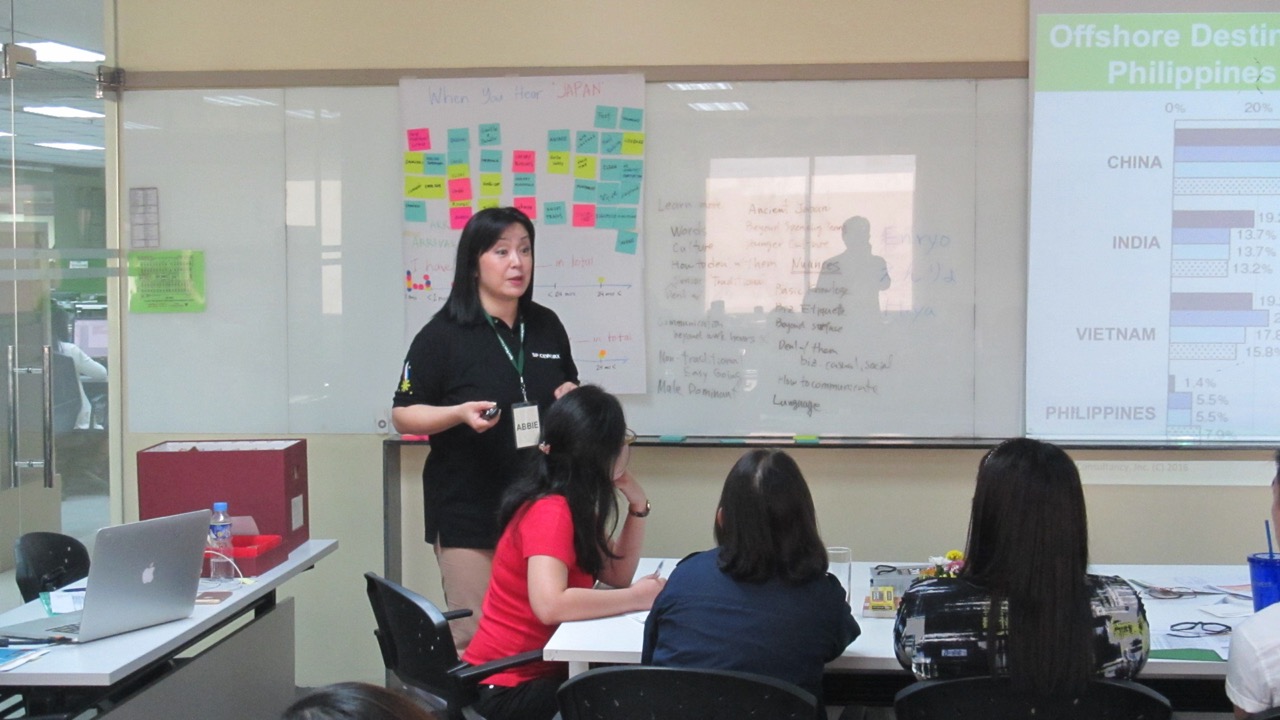
SpiceWorx was built on a simple idea: that the distance between Japan and the Philippines, of language, custom, and expectation, could be closed by people willing to stand in the middle of it. Abbie was one of those people.
For more than a decade she designed and delivered cross-cultural leadership and communication programs that brought Japanese and Filipino professionals together as one team, helping each side understand not just the other's words but the values underneath them.
Her briefings for Japanese companies entering the Philippines were practical and humane. She taught frameworks like Hofstede's cultural dimensions, then brought them back to something human: say thank you and mean it, give feedback without bruising, pass a client's praise on to everyone who earned it. People who had worked in the Philippines for two years and people who had worked there for seventeen left her sessions saying the same thing. She helped them see what they had only been sensing.
Recognized by her industry
Two decades connecting Philippine and Japanese IT.

Abbie's standing reached well beyond her own company. For years she served on the board of the Philippine Software Industry Association (PSIA), where she chaired the Japan Market Group and built the link between the Philippine software industry and Japanese business.
For two decades she organized country delegations and business networking between Manila and Tokyo. Each year she prepared the Philippine presence at the SODEC expo in Tokyo, starting six months ahead and sending out a results survey within a week of returning, so no momentum was lost. The steady growth of Japanese IT investment into the Philippines was no accident, and she had the numbers, charted herself, to prove it. As one colleague wrote, the IT relationship between the Philippines and Japan would not be where it is today without her relentless work over those two decades.
She was also a maker of leaders. She mentored a generation of young Filipino professionals, gave them room to succeed, then let them go out into the world to fulfill their potential, believing in them before they believed in themselves.
GAIA GAYA: making the goals everybody's business
Deep listening, in two languages.
In 2020, Abbie co-founded GAIA GAYA, a platform built to make the Sustainable Development Goals everybody's business. It came out of her training in Theory U, the awareness-based approach to change developed by Dr. Otto Scharmer at MIT, and the global Presencing Institute community she belonged to. With three fellow facilitators in Manila, she built GAIA GAYA in under three weeks and launched it on Zoom in May 2020 with forty people from the Philippines and Japan.
The name says a lot about her. Gaya-gaya in Filipino means to copy or mirror; gaya-gaya in Japanese is the sound of many people talking together. GAIA GAYA was both, a Philippine echo of a global initiative and a gathering place for many voices. It was never only a webinar. In her own words it was “a space for deep listening, conversation and dialogue,” and she always closed by asking the question she lived by: what small change will you make, at a personal level, after today?
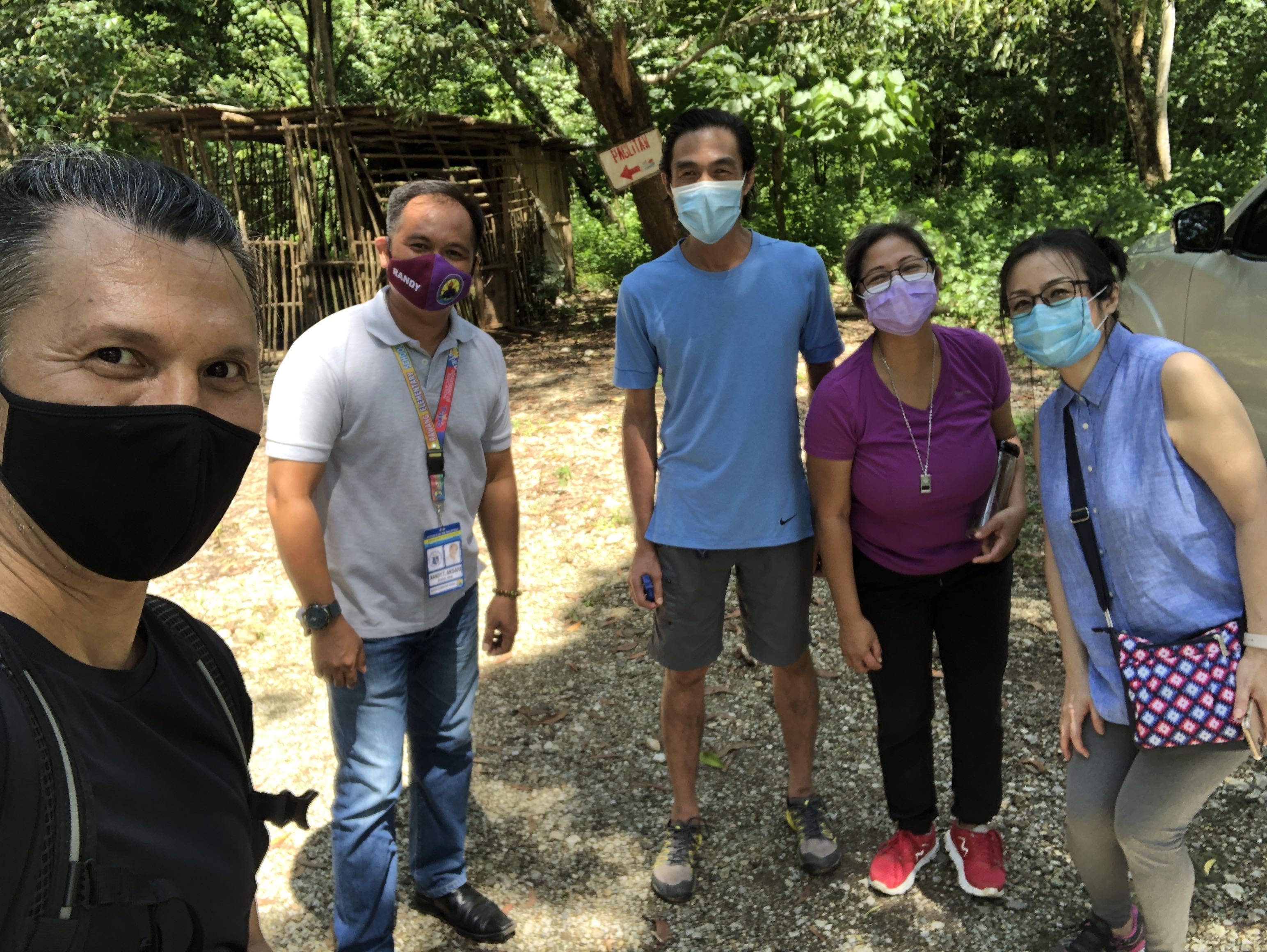
Through that work she stood beside Filipino social enterprises she believed in: Silid Aralan, which has reached thousands of underprivileged learners; Solar Hope, which brings light to off-grid communities; and Farmvocacy, which works to lift smallholder farmers out of poverty. She did not parachute in. She visited a Dumagat community in the hills of Rizal, sat with teachers and families, and wrote honestly afterward about how little a short visit can teach and how much there was still to understand. That humility was her signature.
The way she led
From ego to eco.
Her blog carried one line beneath its title: “Leadership that moves the world from Ego to Eco.” She meant it. The gatherings she built were designed to help people look for and believe in one another's strengths, and to help each person find the thing they were good at. She wrote openly about her own doubts, which is its own kind of strength. She led by listening, by asking the better question, and by trusting people to find their own way while she walked patiently beside them.
Wife, mother, friend
The person behind the work.
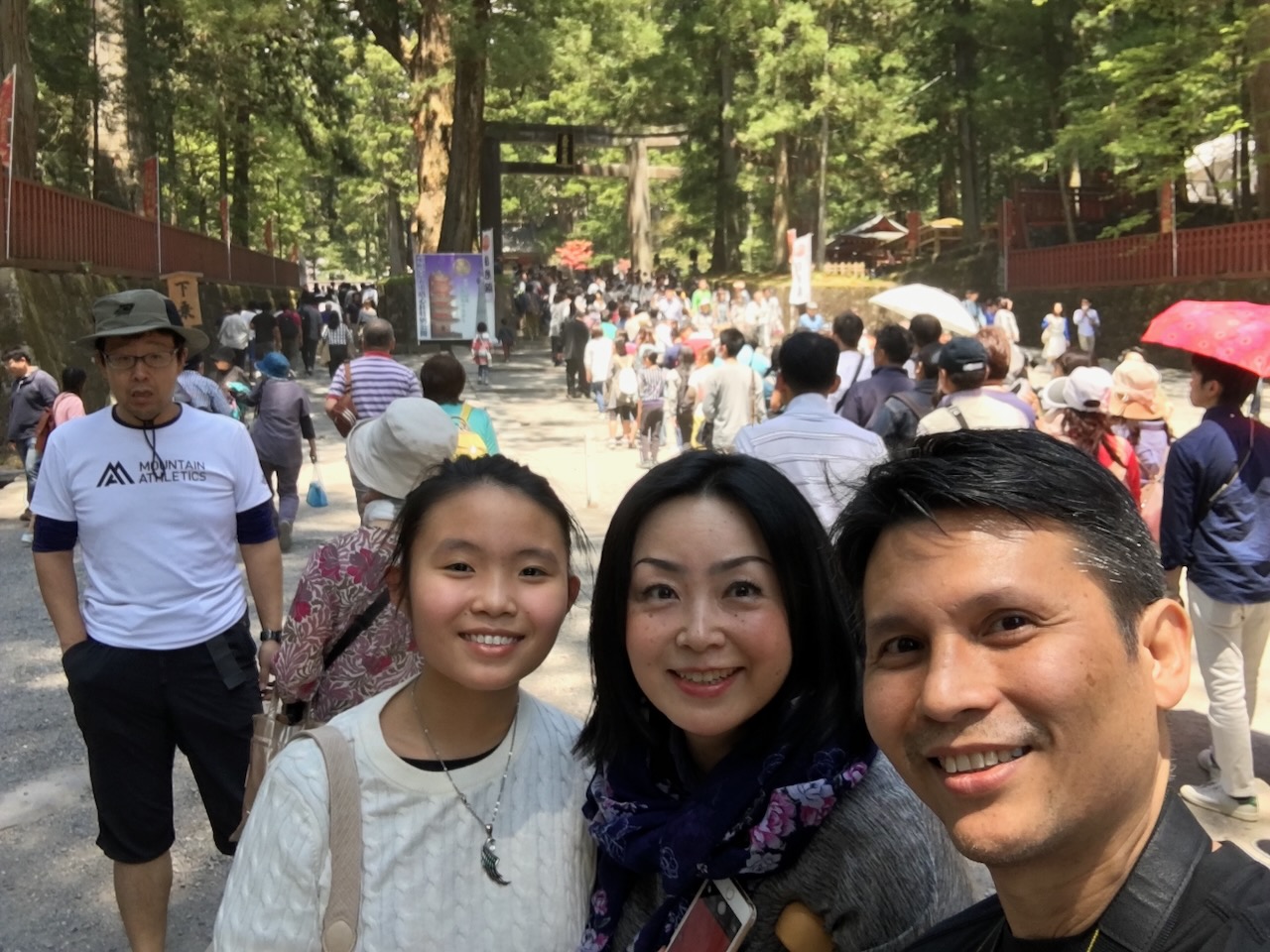
Behind the programs and the boards was a woman her family simply called “Taechan”: a wonderful wife and mother, kind and selfless to her core. She had a quiet dignity, a steadiness you felt without her ever making a point of it. The love she poured into her family never stopped there; it flowed just as naturally to friends, colleagues, and anyone lucky enough to know her. She had an enormous heart.
Remembered by those she taught
In the words of a colleague and friend.
Abbie was a mentor to many in the Philippine technology community. In December 2022, Josefina “Joie” Villanueva-Alonso, who served alongside Abbie at PSIA and went on to become its executive director, wrote a prayer and tribute in her memory. Her words say it better than any biography could.
“You worked like no one else did, you saw details that everyone else missed… You watched young leaders like me come and go and because that's what you do: mentor them, then let them go out into the world to fulfill their leadership potential. I wouldn't be a leader in my own right today without your belief in young people and creating the space for them to succeed. You were one of the firsts who rooted for me and believed that I could be executive director and run the whole show at only 26. I was proud of this because you were proud of me.”
“Masipag, pulido, meticuloso. I owe much of my organisational skills to you, a mix of Japanese detail-orientedness and Filipino flexibility… You were a fighter, a leader, and a worker to the very end. Cheers to all the beautiful memories. Your constant presence, and now your absence, is deeply felt. Thank you for everything. Rest in peace.”
Josefina “Joie” Villanueva-Alonso, December 2022
Her legacy at SpiceWorx
So much of what SpiceWorx is today rests on what Abbie helped build: the belief that culture and trust come before technology, and that the right bridge between people is worth more than any single deal. In her own quiet, deliberate way, she moved her corner of the world a little further from ego and a little closer to eco. We carry that forward in her name.
In loving memory of Tae "Abbie" Abe-Abion.
About SpiceWorx
Learn more about the company Abbie helped build, and where it is headed.
← Back to About Us